A Sanctuary for Every Sense Inside Your Luxury Home
Begin with the Senses
Light that Guides the Body Clock
Quiet Soundscapes, Quiet Mind

Scent and Air That Heal
01
Botanical Aromas with Intention
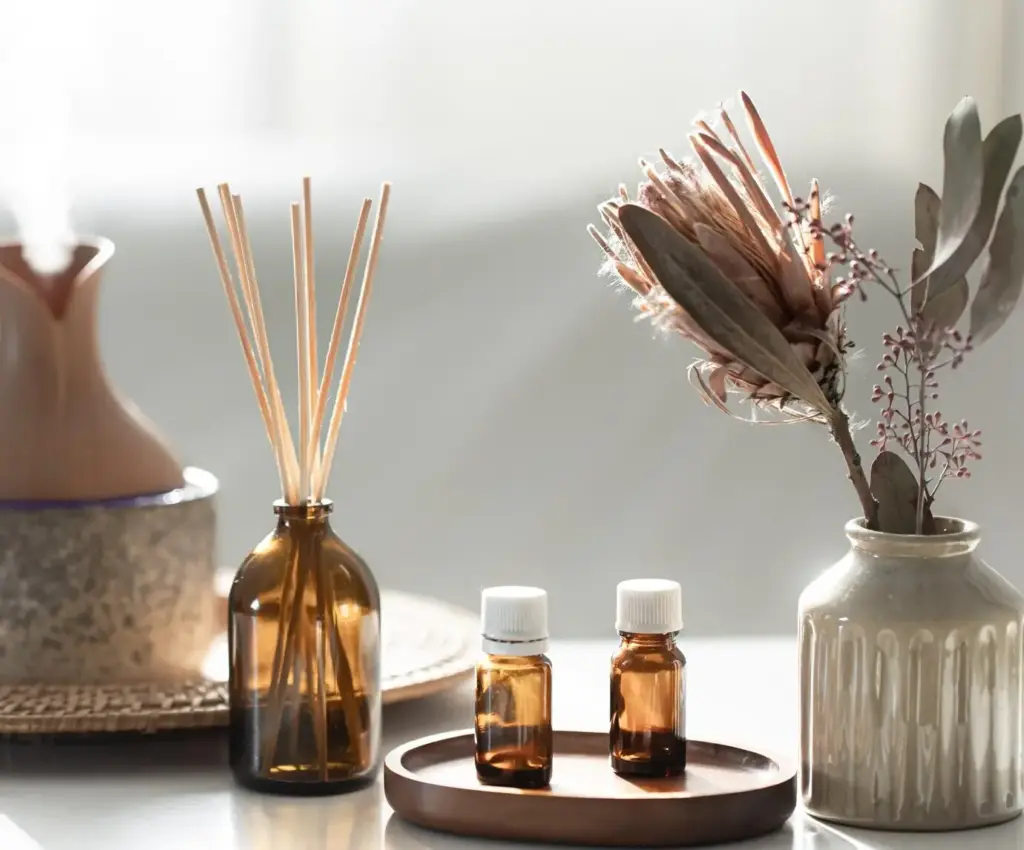
Choose essential oils with care, favoring single-note purity or subtle blends. Lavender and chamomile may soothe; citrus can lift; conifer notes ground. Use high-quality diffusers with precise output, and avoid constant saturation so the nose stays sensitive. Rotate scents by ritual and season, and consider unscented intervals to protect balance. Always mind sensitivities and pets, and store oils away from heat and light. When scent becomes a gentle signal, your body associates the space with comfort and renewal.
02
Breathable, Purified Air
Pair source control with effective filtration. Choose low-emission finishes and furniture, then specify MERV-13 or HEPA-grade purifiers where appropriate. Track PM2.5 and CO2 so you can adjust ventilation before discomfort arrives. Energy recovery ventilators offer fresh air without sacrificing efficiency. Maintain gentle, consistent airflow that avoids drafts. Keep plants healthy to prevent musty smells, and clean diffusers regularly. Crisp, quiet air transforms effortful breaths into ease, supporting longer, deeper sessions and a clearer head long after you leave.
03
Inviting the Outdoors Inside
When climate and privacy allow, operable windows, screened doors, and small terraces extend rituals outward. Cross-ventilation can freshen quickly, while a sheltered nook offers protected stillness on breezier days. Use insect screens, outdoor textiles, and non-slip stone to make transitions comfortable and safe. Align seating to views of sky, trees, or water, even if framed and modest. These glimpses of living nature soften the mind’s edges, reminding you that restoration is not a destination but a continuous exchange.
Touch, Heat, and Water Rituals
Personalization, Ritual, and Community